

Do you want to present your e-commerce products better and reach more customers? Here are 4 steps that will lead you to success.
In today’s digital world, e-commerce has increased the number of brands selling online and customers buying online. During the pandemic process, the sale of products over the internet has increased tremendously.
Packaging is more than just a means of getting your product from point A to point B. Packaging has become the only physical way for brands to interact with customers.
Here we will share some best practices on how to package your eCommerce products and make an effective first impression with your customers.
Step 1 – Get Inspiration
Knowing where to start can be difficult. You can do this by looking at the packaging of your preferred brands. Whether it’s packaging design or product positioning, keep these in mind. For further ideas, you can also look at businesses that market a product comparable to yours. Create something distinctive for your brand by using some of these ideas as the foundation for your packaging.
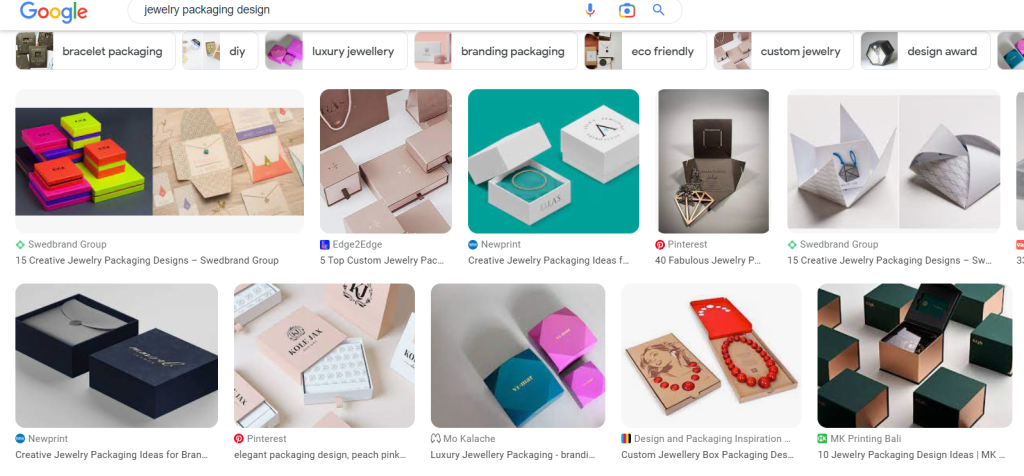
Our Tip: use Google Images to get inspired and see the different designs.
Step 2 – Decide on packaging type(s)
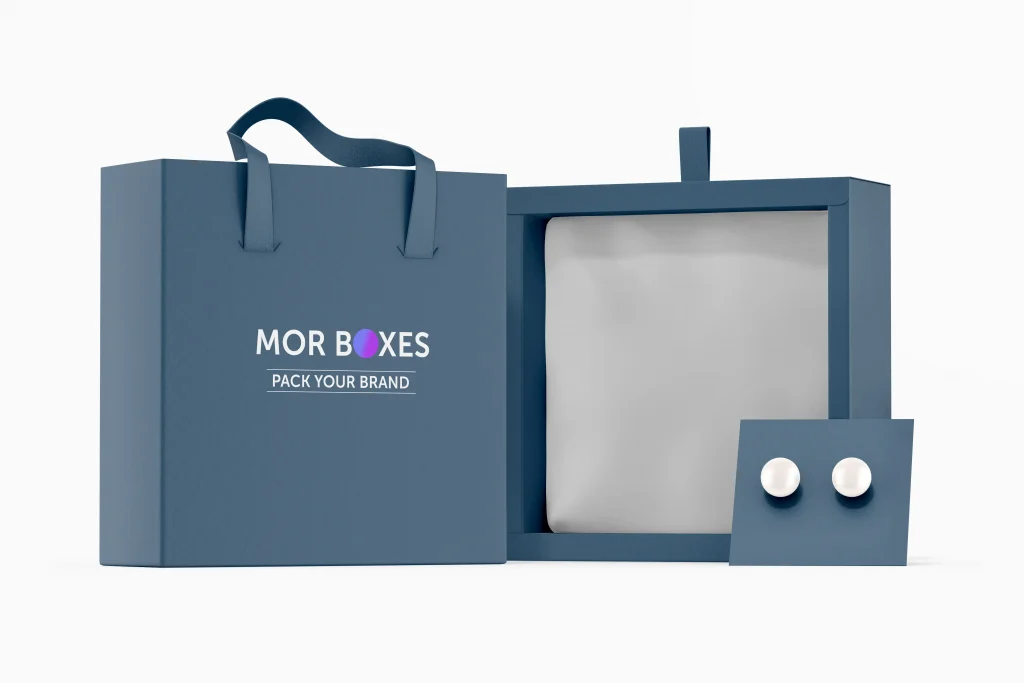
“To enhance the quality of your packaging, opt for two-piece rigid or magnetic closure boxes which offer a luxurious appeal. These types of boxes are ideal for premium products like jewelry or technology. But, bear in mind that the cost of shipping them from a supplier to you or your warehouse may be higher as they cannot be compressed.”
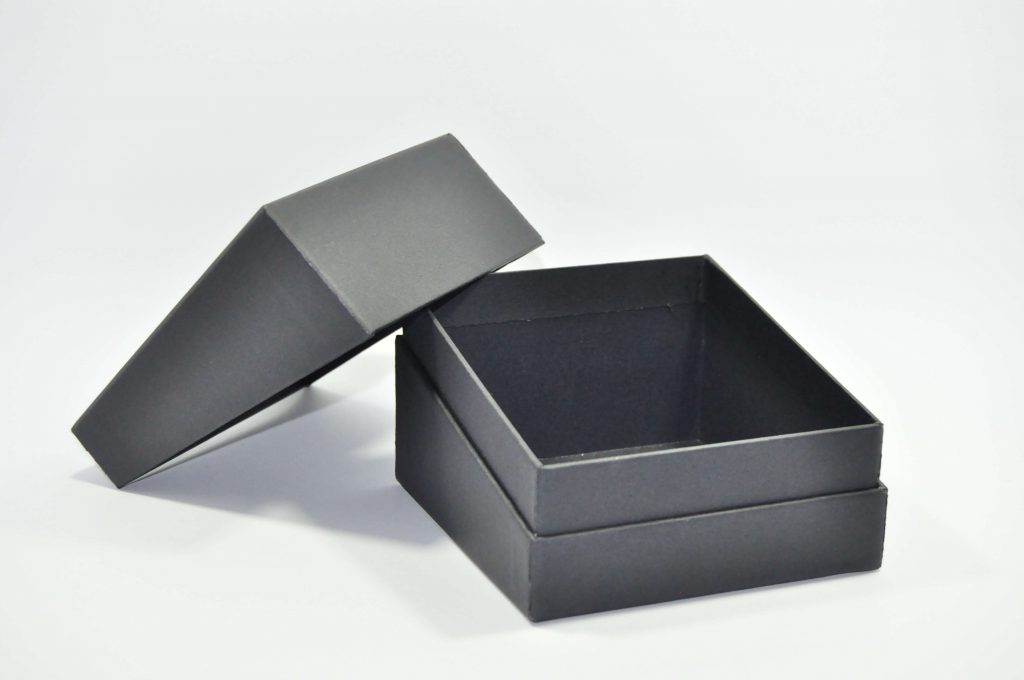
“Product boxes, also known as folding carton boxes, are well suited for items that are small and not heavy in weight. They are perfect for packaging items such as coffee capsules, food items, or candles.”
External Packaging for Shipping
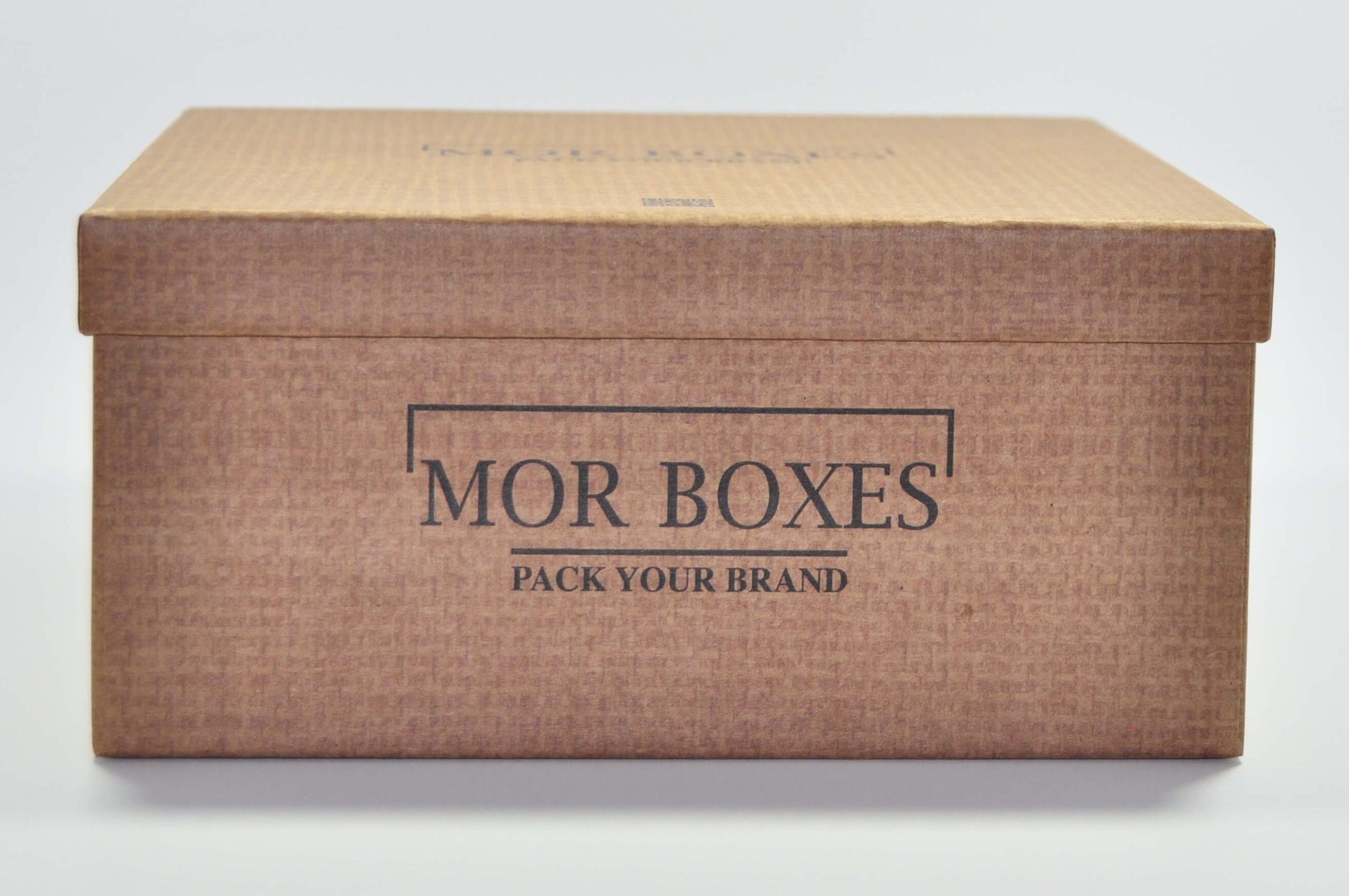
It’s time to consider how you’ll package and deliver your goods now. Keep in mind that you must print your address, your customer’s address, and any necessary customs labels on the outside of the shipping container. Here are some things to keep in mind when shipping boxes:
- No need for additional packaging? Use a corrugated mailer box for both delivering and storing your goods!
- Would you want another box? For a box-in-box packing strategy, you may utilize a shipping box or a corrugated mailer box. In this manner, all sender and customs markings are on the external box, totally protecting the boxes inside.
- Not looking for an external box? You might also take into account using envelopes, wrapping paper, or poly mailer bags, depending on the weight and fragile nature of your products.
When shipping your products, the primary goal of the external packaging should be to safeguard the items inside. Aesthetics are not as important as ensuring the package can withstand the rough handling of the shipping process.
Step 3 – Weigh, measure and decide on placement
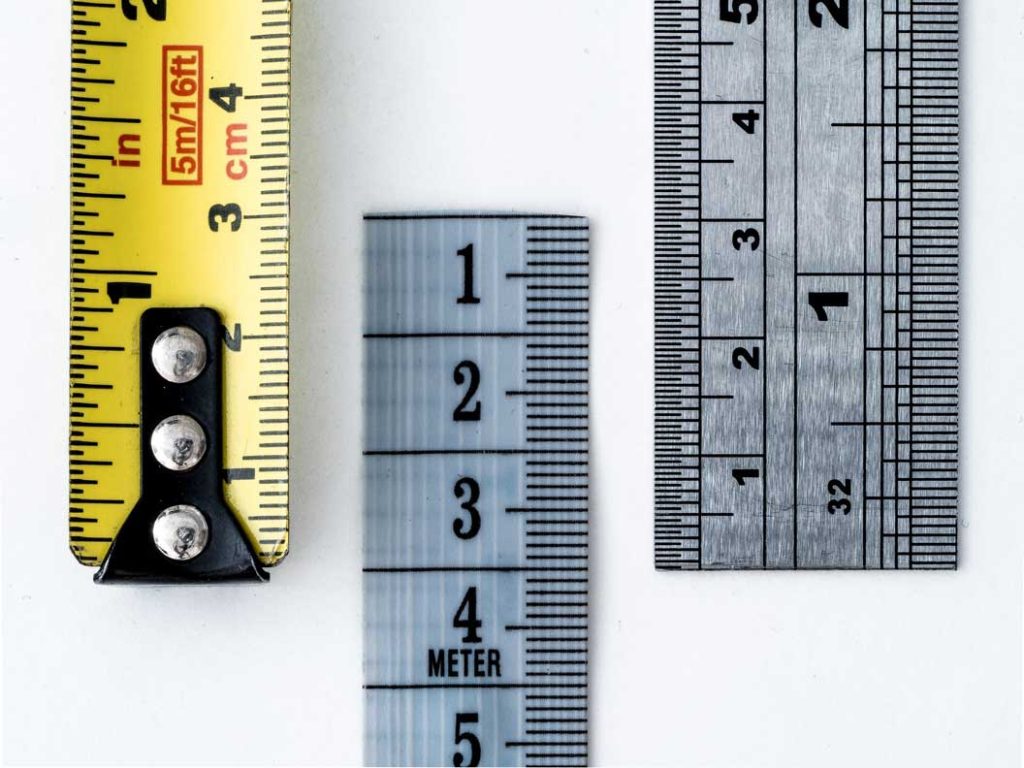
- To begin gathering information for your packaging design and materials, use a scale to weigh your products. This information can be used by suppliers to determine the best packaging type and materials for your products and to calculate shipping costs.
- Measure the length, width, and height of your products to ensure the packaging is the appropriate size and will not be too big or too small.
- Consider how you want your products to be placed inside the packaging, such as standing upright or stacked, as this will affect the customer’s unboxing experience.
- Use the size and placement of your products to determine the type and size of your packaging. It is recommended to have a buffer of 0.5 inches for safety.
- When communicating your packaging specifications to suppliers, including the type of packaging, dimensions, and any specific notation for length, width, and height. Check with your supplier on their specific notation for these dimensions.
Step 4 – Design your packaging
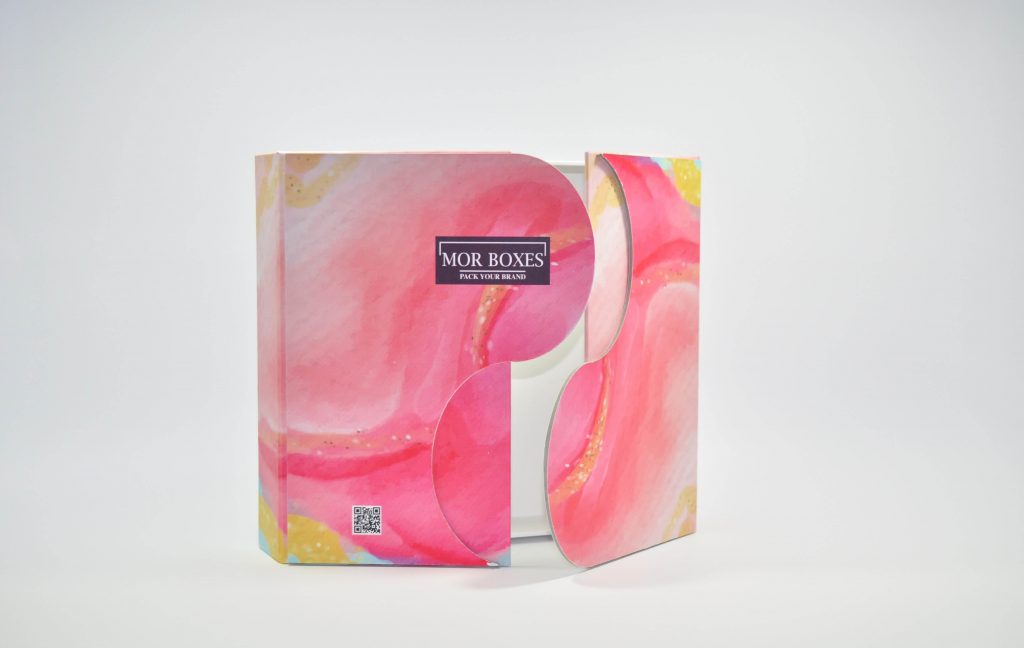
The design of your packaging is crucial in attracting customers’ attention. The way you package your products serves as a platform to share your brand story and values. When designing your packaging, consider the following:
- What is the initial impression you want to make with your packaging? You can choose a simple design with just a logo and product name, or for food products, you can include a list of ingredients. The options are endless.
- What kind of unboxing experience do you want to provide for your customers? Think about what they will see when they open the box. You can include branding on the inside of the box or even add a handwritten note.
If you want to customize your boxes and present them perfectly, contact us!